
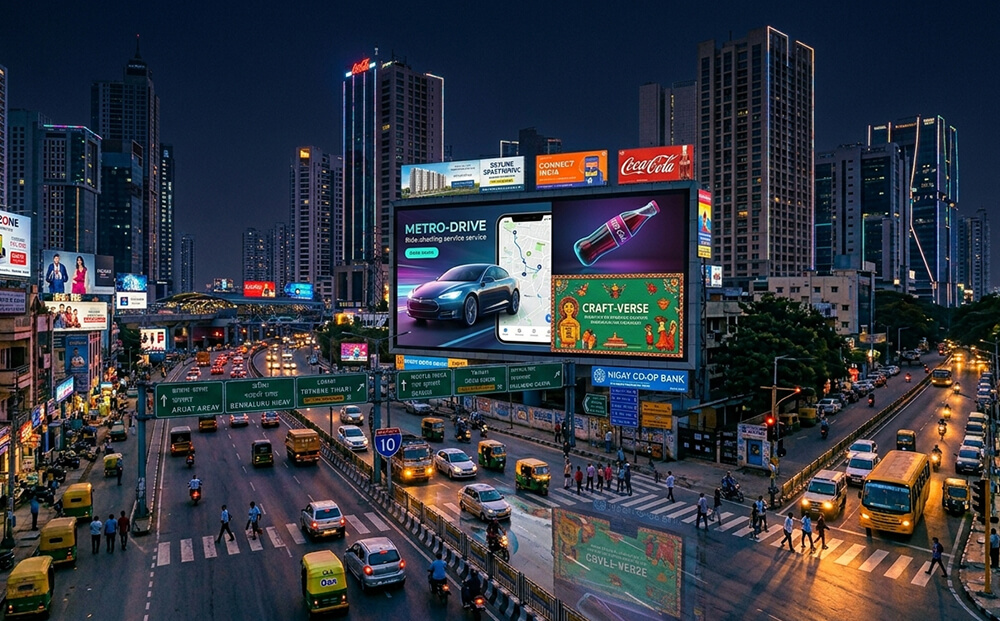
Introduction to OOH Media Advertising
Out-of-home advertising, commonly known as OOH media advertising, is one of the oldest yet most powerful forms of marketing. If you’ve ever seen a large billboard on a highway or an advertisement on a bus, you’ve already experienced it firsthand.
In simple terms, what is OOH media advertising? It refers to any type of advertising that reaches consumers while they are outside their homes. Unlike digital ads that appear on screens, OOH ads exist in the real world, making them highly visible and hard to ignore.
Definition of OOH Advertising
OOH media advertising includes all visual advertising formats found in public spaces. These can range from traditional billboards to modern digital displays. The primary goal is simple: grab attention quickly and leave a lasting impression.
Why OOH Still Matters Today
Even in the age of smartphones and social media, OOH advertising continues to thrive. Why? Because people are constantly on the move—commuting, shopping, traveling—and outdoor ads reach them during these moments.
Evolution of OOH Media
OOH advertising has come a long way over the years. From painted walls to digital screens, its transformation reflects advancements in technology and consumer behavior.
Traditional Advertising Era
In the past, OOH advertising mainly consisted of static billboards and posters. These were printed materials placed in high-traffic areas to attract attention.
Rise of Digital OOH
Today, digital OOH (DOOH) is changing the game. LED screens, interactive displays, and real-time content updates have made outdoor advertising more dynamic and engaging.
Types of OOH Media Advertising
Understanding the different types helps businesses choose the right format for their campaigns.
Billboard Advertising
Billboards are the most recognizable form of OOH advertising.
Static Billboards
These are traditional, printed boards that remain unchanged for a specific duration.
Digital Billboards
These use LED screens to display multiple ads, often rotating every few seconds.
Transit Advertising
Transit ads move with people, increasing exposure.
Bus and Taxi Ads
Ads placed on vehicles travel across cities, reaching diverse audiences.
Metro and Airport Ads
High footfall areas like stations and airports offer excellent visibility.
Street Furniture Advertising
These ads are integrated into everyday public structures.
Bus Shelters
Perfect for targeting commuters waiting for transport.
Kiosks
Placed in busy areas, kiosks provide 360-degree visibility.
Place-Based Media
This includes ads in malls, cinemas, gyms, and offices. These locations allow advertisers to target specific audiences.
Key Features of OOH Advertising
High Visibility
OOH ads are large and strategically placed, making them impossible to miss.
Wide Reach
They can reach thousands—even millions—of people daily.
Continuous Exposure
Unlike online ads that disappear quickly, OOH ads are visible 24/7.
Benefits of OOH Media Advertising
Brand Awareness
One of the biggest advantages is increased brand recognition. Repeated exposure helps consumers remember your brand.
Cost Effectiveness
While initial costs may seem high, the long-term exposure offers great value.
Local Targeting
Businesses can target specific neighborhoods or regions, making it ideal for local marketing.
How OOH Advertising Works
Planning and Strategy
The first step is identifying the target audience and selecting the right locations.
Creative Design
Design plays a crucial role. A successful OOH ad is simple, bold, and easy to read within seconds.
Placement and Execution
Choosing high-traffic areas ensures maximum visibility and impact.
OOH vs Digital Advertising
Key Differences
| Feature | OOH Advertising | Digital Advertising |
|---|---|---|
| Visibility | Physical | Online |
| Engagement | Passive | Interactive |
| Reach | Local & Mass | Global |
Integration Strategies
Modern campaigns often combine OOH with digital marketing for better results. For example, a billboard may include a QR code that directs users to a website.
Challenges in OOH Advertising
High Initial Costs
Premium locations can be expensive.
Limited Audience Tracking
Unlike digital ads, measuring exact engagement can be challenging.
Future of OOH Media Advertising
The future looks bright for OOH advertising, thanks to technology.
Smart Billboards
These use sensors and AI to display targeted ads based on audience demographics.
Data-Driven Campaigns
Advertisers can now use data analytics to optimize placements and messaging.
For more insights into advertising trends, you can explore this helpful resource:
👉 https://www.marketingweek.com
FAQs
1. What is OOH media advertising?
OOH media advertising refers to any advertising that reaches consumers outside their homes, such as billboards and transit ads.
2. Is OOH advertising effective?
Yes, it provides high visibility and strong brand recall.
3. What are examples of OOH advertising?
Billboards, bus ads, digital screens, and airport displays.
4. How much does OOH advertising cost?
Costs vary depending on location, size, and duration.
5. What is digital OOH?
Digital OOH uses electronic displays to show dynamic advertisements.
6. Can small businesses use OOH advertising?
Absolutely! Local businesses can benefit greatly from targeted outdoor ads.
Conclusion
So, what is OOH media advertising? It’s a powerful marketing tool that connects brands with audiences in the real world. Despite the rise of digital platforms, OOH remains highly effective due to its visibility, reach, and impact.
Whether you’re a small business or a large corporation, investing in OOH media advertising can significantly boost your brand presence. As technology continues to evolve, this form of advertising will only become more innovative and influential.